Commercial Pressure Cleaning Standards in Adelaide
Keeping commercial premises clean is about more than appearance. In Adelaide, shopfronts, car parks, warehouses, food premises and office forecourts all face a mix of dust, traffic grime, bird droppings, algae, oil stains and graffiti. Pressure cleaning is one of the most effective ways to deal with these problems, but doing it properly means following recognised standards, environmental rules and safe work practices. This guide explains what business owners, property managers and facility managers in Adelaide should expect from a professional commercial pressure cleaning service in 2026.
Why Standards Matter for Commercial Pressure Cleaning
Residential pressure cleaning is largely about aesthetics. Commercial work carries extra responsibilities. Slippery surfaces create liability risks, wastewater can enter stormwater systems, and high-pressure equipment can damage building materials or injure workers and the public if used carelessly. Clear standards protect your property, your staff, your customers and the environment.
There is no single "pressure cleaning licence" in South Australia, so the standard of work depends on how well a contractor follows the broader framework of work health and safety law, environmental protection requirements, insurance obligations and industry best practice. Knowing what that framework involves helps you choose a provider with confidence.
Work Health and Safety Requirements in South Australia
South Australia operates under the Work Health and Safety Act, administered by SafeWork SA. Commercial pressure cleaning contractors are considered a person conducting a business or undertaking (PCBU) and must manage risks to workers and anyone else affected by their work. Property owners and managers also have duties when engaging contractors on their sites.
Key Safety Practices to Expect
- Safe Work Method Statements (SWMS): Required for high-risk work such as working at heights or near live electrical services. A reputable contractor can supply one before starting.
- Site-specific risk assessments: Covering slip hazards, pedestrian and vehicle traffic, electrical sources, chemical use and overspray.
- Appropriate PPE: Eye protection, waterproof clothing, gloves, non-slip footwear and hearing protection where needed.
- Exclusion zones and signage: Barriers and wet-floor signs to keep customers and staff clear of work areas.
- Safe handling of chemicals: Safety Data Sheets (SDS) available on site for every product used.
- Working at heights controls: Elevated work platforms or fall protection when cleaning awnings, facades or roof areas.
High-pressure water jets can cause serious injuries, including lacerations and injection injuries. Operators should be trained in correct lance handling, trigger safety and equipment inspection before each job.
Environmental Rules and Wastewater Management
One of the most important aspects of commercial pressure cleaning in Adelaide is what happens to the dirty water. In South Australia, the Environment Protection Act 1993 and the associated policies make it an offence to cause environmental harm, and the General Environmental Duty requires businesses to take reasonable steps to prevent pollution. The Environment Protection Authority (EPA SA) regulates these obligations, and local councils and SA Water also play a role.
Stormwater Versus Sewer
Adelaide's stormwater drains flow largely untreated into creeks, the Torrens, and ultimately Gulf St Vincent. Washing detergents, oils, sediment, paint flakes or food waste into a stormwater drain can harm waterways and marine life. Professional cleaners should therefore:
- Block or cover stormwater drains before cleaning begins.
- Capture wastewater using sump pumps, vacuum recovery systems or bunding.
- Dispose of captured water appropriately, either to the sewer with the approval of SA Water (trade waste requirements may apply) or via licensed waste collection if it contains contaminants.
- Use biodegradable, low-phosphate cleaning agents where possible.
- Prevent oil, grease and heavy metals from leaving the site.
Cleaning heavily contaminated areas such as service station forecourts, commercial kitchen exhaust areas, bin enclosures and loading docks usually requires a more rigorous wastewater approach. Ask your contractor how they handle recovery and disposal, and request details in writing for sensitive sites.
Insurance and Business Credentials
Insurance is a core part of professional standards. Before engaging a commercial pressure cleaner in Adelaide, check for:
- Public liability insurance: Commonly $10 million or more for commercial sites, and often required by building managers and shopping centres.
- Workers compensation coverage: Mandatory in South Australia for employers through ReturnToWorkSA.
- A valid ABN and business registration: Confirm through the Australian Business Register.
- Contractor induction compliance: Many large sites require inductions, white cards or site-specific safety training.
- References and documented work history: Particularly for similar commercial sites such as retail centres, hospitality venues or industrial yards.
Always ask for certificates of currency rather than relying https://adelaidepressurecleaningpros.com.au/gutter-cleaning/ on verbal assurances, and check the expiry dates.
Equipment and Technique Standards
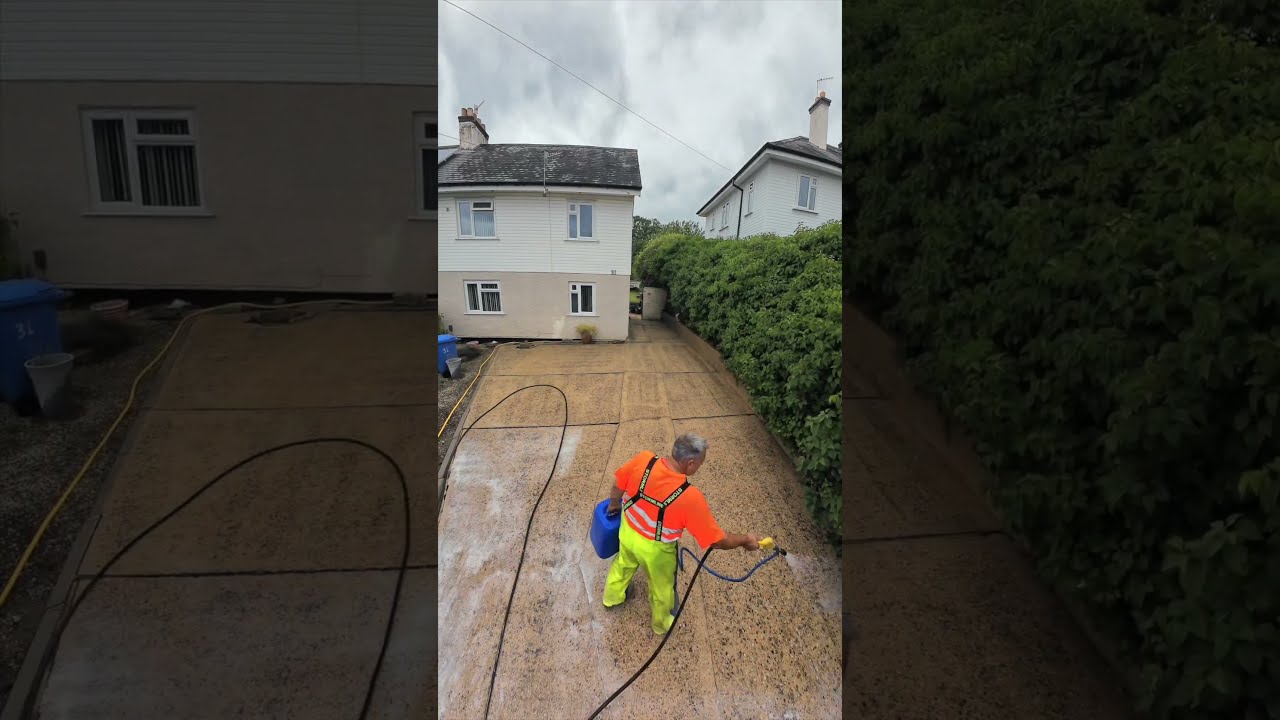
Quality commercial pressure cleaning relies on matching equipment and technique to the surface. More pressure is not always better. Excessive force can etch concrete, strip sealants, damage mortar, splinter timber and force water behind cladding.
Matching Method to Surface
- Concrete and paving: Surface cleaners with rotating arms provide even results and reduce striping. Hot water units are more effective on oil, grease and chewing gum.
- Brick and render: Lower pressure and soft washing methods help prevent surface damage.
- Metal cladding and Colorbond: Gentle pressure with suitable detergents avoids damaging coatings.
- Glass and aluminium frames: Typically cleaned with low pressure or specialist systems to avoid seal damage.
- Timber decking in hospitality venues: Controlled pressure and appropriate cleaners to avoid fibre damage.
Soft washing, which uses low pressure with specialised cleaning solutions, is increasingly common for roofs, painted surfaces and delicate cladding. It targets mould, lichen and algae at the source rather than blasting them away.
Adelaide-Specific Considerations
Adelaide's Mediterranean climate shapes the cleaning schedule for commercial properties. Hot, dry summers cause dust and pollen buildup, while cooler, wetter winters encourage algae, moss and mould in shaded or south-facing areas. Coastal suburbs such as Glenelg, Henley Beach and Semaphore deal with salt deposits that can accelerate corrosion on metal fittings and dull paintwork. Industrial areas like Wingfield, Edinburgh and Dry Creek often require degreasing and heavier contamination management.


Water restrictions are not currently a major constraint in Adelaide, but responsible water use remains a priority. Many contractors now use water-efficient nozzles, recycling units and flow-controlled equipment to cut consumption while maintaining results.
Scheduling and Minimising Disruption
Professional commercial cleaners plan work around your trading hours. Common approaches include early-morning, evening or overnight cleaning for shopping strips, cafes and car parks so that customers are not affected. Work in food premises must also be coordinated with food safety obligations under the Food Act 2001 (SA) and the Australia New Zealand Food Standards Code, as cleaning near preparation or storage areas must not introduce contamination risks.
How Often Should Commercial Surfaces Be Cleaned?
The right frequency depends on usage, location and industry. As a general guide:
- Food and hospitality venues: Footpaths, outdoor dining areas and bin zones often need monthly or quarterly cleaning.
- Retail shopfronts and centres: Every one to three months for high-traffic entrances; facades once or twice a year.
- Car parks: Typically every six to twelve months, with spot cleaning for oil stains.
- Industrial sites: Based on contamination and safety risks, from monthly to annually.
- Office buildings: Entrances and forecourts quarterly, with external walls and roofs annually or biannually.
Compliance, Documentation and Reporting
High standards also mean good paperwork. For larger commercial clients, a reliable contractor should provide a written scope of work, a quote that specifies methods and wastewater handling, completion reports and, where necessary, before-and-after photographs. Facility managers often need these records for audits, insurance purposes and landlord reporting.
Trends Shaping Commercial Pressure Cleaning in 2026
Sustainability is increasingly influencing procurement decisions across Adelaide. Property managers are asking for lower-impact detergents, water recovery systems and evidence of environmentally responsible practices. Technology is also playing a larger role, with drone inspections for roofs and tall facades, digital job reporting and scheduling platforms becoming more common. Looking toward 2027 and beyond, expect continued tightening of environmental expectations and more emphasis on documented compliance from contractors.
Questions to Ask Before Hiring
- Can you provide current insurance certificates and a SWMS for this site?
- How will you capture and dispose of wastewater?
- Which chemicals will you use, and can I see the Safety Data Sheets?
- What pressure and method will you use on each surface?
- Can the work be done outside trading hours?
- Do you offer maintenance schedules and written completion reports?
Final Thoughts
Commercial pressure cleaning in Adelaide is most effective when it combines the right equipment with strong safety systems, careful environmental management and clear communication. By understanding the standards that apply, from SafeWork SA obligations to EPA SA requirements and sensible surface-specific techniques, you can select a contractor who protects your property, your reputation and the local environment. Taking the time to verify credentials and ask the right questions leads to better results, fewer risks and a cleaner, safer presentation for your business year-round.
Adelaide Pressure Cleaning Pros
70 Overland Rd, Croydon Park SA 5008
(08) 7228 0262